
The Negative Impact of AI-Generated Content in SEO
September 29, 2026
How Voice Search Is Changing the E-Commerce Funnel in 2026
September 29, 2026

Your ads are live and your emails are going out. So why does revenue still feel stuck? The answer is often not more effort. It’s smarter use of the data you already have.
That’s where AI digital marketing comes in. It uses machine learning to study shopper behavior, predict what people want, and automate repetitive campaign tasks. As a result, you spend less time guessing and more time growing.
If you run an online store, this matters right now. Shoppers expect personal offers, quick answers, and ads that fit their needs. Meanwhile, competitors of every size are already using AI digital marketing to deliver exactly that.
In this guide, you’ll learn seven practical strategies for eCommerce growth in 2026. You’ll also get a simple starting plan, a few examples, common mistakes, and the best tools to try. Ready? Let’s get started.
What AI Digital Marketing Means for an Online Store
Let’s keep it simple. AI digital marketing means using smart software to plan, run, and improve your marketing with less manual work. The software learns from your data, such as clicks, orders, searches, and email opens.
Think of it as a very fast assistant. It watches every visitor on your site at once, spots patterns, and suggests the next best move. A human team simply can’t do that at scale.
For an eCommerce brand, it usually shows up in a few places. These include product recommendations, ad targeting, email timing, search content, and customer support chatbots. Each one runs on data, and each one improves as your data grows.
It’s also worth saying what AI isn’t. It isn’t a magic button, and it won’t replace your brand voice. Instead, it handles the heavy lifting so your team can focus on creative ideas and real customer relationships.
Why AI Digital Marketing Matters for eCommerce Growth in 2026
Online shopping is crowded. Ads cost more, inboxes are full, and shoppers compare several stores before they buy. So sending the same message to everyone just doesn’t work anymore.
AI digital marketing helps in three clear ways. First, it saves time by automating tasks like reporting, bidding, and segmenting. Second, it improves relevance because each shopper sees offers that match their interests. Third, it cuts waste by moving your budget toward what actually converts.
Speed matters too. If a shopper abandons a cart at 9 pm, they won’t wait until Monday for your team to react. With AI digital marketing, a timely reminder can go out within minutes, while the product is still on their mind.
Want the bigger picture? Statista tracks global eCommerce trends, and Think with Google shares consumer research worth reading. Check their latest figures yourself, because the numbers change every year.
7 Top AI Digital Marketing Strategies for eCommerce Growth
Here are seven strategies worth starting with. Each one works on its own, but they get stronger when you combine them.
H3: Personalized Product Recommendations That Lift Sales
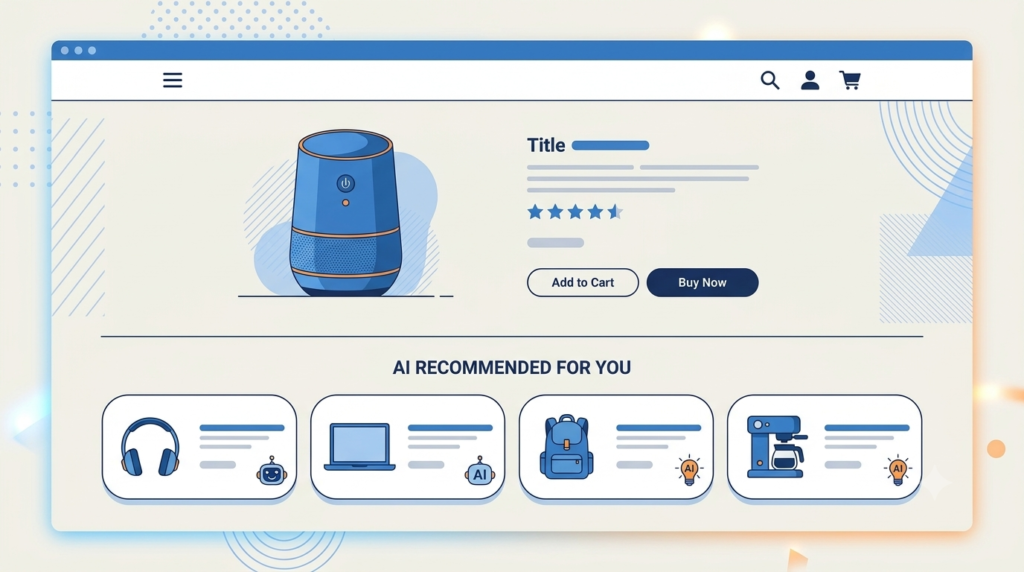
Start with the shopper’s homepage. AI studies what each visitor views, adds to the cart, and buys, then shows the products they’re most likely to want. Think of a helpful shop assistant who remembers every customer.
Many store platforms and apps now offer this built in, so you don’t need a developer to begin. Also, use the same logic in related product blocks and post-purchase emails. It’s one of the easiest AI digital marketing wins for a store of any size.
Smarter Ad Targeting and Budget Control
Major ad platforms now build AI digital marketing features right into their campaigns. Google’s Performance Max and Meta’s Advantage+ campaigns, for example, test creative, audiences, and placements automatically. However, they only work as well as the data you feed them.
So connect your product feed, track purchases accurately, and give the system strong images and clear copy. Here’s a tip that saves money: check your search terms and placement reports every week, then block the ones that waste budget.
H3: AI-Powered SEO and Content Creation
AI digital marketing can speed up keyword research, product descriptions, and blog outlines. For instance, you can ask an assistant to group search terms by buyer intent. Still, always edit the draft.
Google’s Search Central guidance favors helpful, people-first content, not bulk text written for search engines. So add your own experience, real photos, and honest details. That’s what makes a page worth ranking.
Predictive Email and SMS Marketing
Email still works well for most stores, and AI makes it sharper. Tools like Klaviyo can predict when a customer is likely to buy again, pick the best send time, and build segments automatically.
As a result, you stop blasting everyone and start sending messages people actually open. Begin with a welcome series and an abandoned cart flow, then add a win-back message for customers who’ve gone quiet.
H3: Chatbots and Instant Customer Support
Shoppers often leave when they can’t find a quick answer. An AI chatbot can handle questions about sizing, shipping, and returns at any hour. Moreover, it can suggest products while it chats.
Just make it easy to reach a human for tricky issues, because trust matters more than speed in those moments. Also, tell shoppers when they’re talking to a bot. Honesty builds confidence.
Smart Promotions and Dynamic Pricing
AI can show which discounts actually move sales and which ones just cut your profit. For example, it may reveal that free shipping beats a ten percent coupon for first-time buyers.
Be careful with dynamic pricing, though. Changing prices too often can annoy loyal customers, so test small and set clear limits. Remember, a short-term sale isn’t worth a long-term loss of trust.
Predictive Analytics to Power Your AI Digital Marketing
Finally, use your data to look ahead. Predictive models can flag customers who might churn, estimate lifetime value, and forecast demand.
Therefore, you can spend more on your best customers and send a win-back offer before someone drifts away. Google Analytics 4 offers predictive audiences once your store has enough purchase data.
How to Start Your AI Marketing Plan Step by Step
You don’t need a huge budget or a data team. You need a clear order of work. Follow these five steps and your AI digital marketing plan will avoid most early headaches.
Step 1: Set one clear goal. Pick a single target, such as lowering your cost per sale or raising repeat orders. A vague goal gives AI nothing to optimize, so write your number down before you touch any tool.
Step 2: Clean up your data. Check that your analytics, product feed, and customer list are accurate. Bad data leads to bad predictions, no matter how smart the tool is. Plus, fixing tracking early saves you weeks of confusion later.
Step 3: Choose one or two tools. Start with what you already use, such as your store platform, email tool, or ad account. Then switch on their AI features before you buy anything new. This keeps costs low and learning simple.
Step 4: Run a small test. For example, try AI recommendations on one product category for two weeks. Compare the results against a group that doesn’t see them, so you know what truly worked.
Step 5: Review and scale. Keep what works, drop what doesn’t, and add the next strategy. Meanwhile, set a monthly review so a human always checks the numbers and the customer experience.
Small steps like these add up quickly. They also keep your risk low while your team learns.
Practical Examples of AI Digital Marketing in Action
Numbers are useful, but stories stick. Here are three mini examples that show how these ideas look in everyday stores. They’re illustrative scenarios, not client case studies.
Example 1: A small skincare shop. The owner turns on AI product recommendations and a predictive email flow. Customers who buy a cleanser get a moisturizer suggestion just before they usually run out. Repeat orders tend to rise because the timing feels helpful, not pushy.
Example 2: A fashion store with a tight ad budget. Instead of running ten manual campaigns, the team feeds clean product data into an AI-driven shopping campaign. Then they review search terms weekly and block poor matches. Wasted spend drops, and winning products get more budget.
Example 3: A home décor brand with a busy support inbox. A chatbot answers shipping and return questions all day. Meanwhile, the team spends its time on custom orders and creative work. Customers get faster replies, and staff feel less stretched.
Notice the pattern? Each store picked one problem, used AI to fix it, and kept humans in charge of the final call. That’s AI digital marketing at its best: simple, focused, and measurable.
Common AI Digital Marketing Mistakes to Avoid
Even smart tools can backfire. Here are the mistakes to watch for first.
Mistake 1: Trusting AI blindly. AI can sound confident and still be wrong. So always review copy, offers, and reports before they reach customers.
Mistake 2: Feeding your AI digital marketing tools poor data. Duplicate customers, broken tracking, and outdated product feeds confuse every model. Fix the basics first.
Mistake 3: Ignoring privacy. Shoppers care how you use their data, and laws such as GDPR and India’s DPDP Act apply. So be transparent, collect consent, and use only the data you truly need.
Mistake 4: Losing your brand voice. If every email sounds like it came from the same robot, shoppers notice. Therefore, edit AI drafts until they sound like you.
Mistake 5: Chasing too many tools at once. Five new tools in one month means no clear results. Instead, add one tool, test it, and then move on.
Best AI Marketing Tools and What to Expect Next
Tools Worth a Look
You don’t need every tool on the market. Start with the ones that plug into your store. For ads, explore Google Ads and Meta Ads Manager. For email and SMS, try Klaviyo or Mailchimp.
For SEO research, Semrush is a solid option. For analytics, Google Analytics 4 is the usual starting point. Finally, a general AI assistant such as ChatGPT or Gemini helps with outlines, product copy, and brainstorming.
Pick tools based on your goal, not on hype. A tool that fits your workflow beats a fancy one nobody uses.
Best Practices That Keep AI Digital Marketing on Track
First, keep a human in the loop for every customer-facing message. Second, track one or two key numbers, such as revenue per visitor and repeat purchase rate. Third, write down what you test so your team learns faster. Finally, review your approach every quarter, because platforms keep adding new features.
What to Expect Next from AI Digital Marketing
Expect AI to get more conversational and more visual. Shoppers will increasingly ask AI assistants for product advice, so your product data, reviews, and site structure will matter even more. Search is changing too, with AI-generated answers appearing beside classic results. Therefore, clear product pages and helpful content will help you stay visible.
Meanwhile, AI agents may soon handle routine tasks such as reordering or comparing prices for a shopper. Nobody knows exactly how fast this will happen. Still, stores with clean data and a strong brand will be ready.
Your Next Move: Grow Smarter with VK Info Tech
AI isn’t here to replace your marketing team. It’s here to give them better data, faster answers, and more time for the creative work only humans do. So start small, test often, and let the results guide your next step.
If you’d like expert help, VK Info Tech is ready to support you. Our team offers web development and digital marketing services for growing online stores, from tracking setup to campaign strategy and conversion-focused websites. We can help you build a practical AI digital marketing plan that fits your budget. Visit https://vijay.trohi.in/ to see how we work, or contact our team for a friendly chat about your goals.
So which AI digital marketing strategy will you test first? Pick one from this guide, run a small experiment this week, and see what your shoppers tell you.
Frequently Asked Questions
What is AI digital marketing?
AI digital marketing means using machine learning and automation to plan, run, and improve your campaigns. The software studies customer data, predicts what shoppers want, and adjusts ads, emails, and website content automatically. It saves time and helps you send more relevant messages to every visitor.
How does AI digital marketing help an eCommerce business grow?
It helps you reach the right shoppers with the right offer at the right time. AI personalizes product suggestions, improves ad targeting, and sends timely emails. As a result, you waste less budget, convert more visitors, and bring past customers back without adding extra work for your team.
Is AI digital marketing too expensive for a small online store?
Not at all. Many tools you already use, such as your store platform, email software, and ad accounts, include AI features at no extra cost. Start with those built-in options, test one idea at a time, and invest in paid tools only after you see clear results.
Which AI marketing tools should beginners try first?
Begin with tools connected to your store. Use Google Ads or Meta Ads for automated campaigns, Klaviyo or Mailchimp for email, and Google Analytics 4 for tracking. Add an AI writing assistant for product descriptions and outlines. Choose based on your main goal rather than trying everything at once.
Can AI replace my marketing team?
No. AI handles repetitive work like reporting, segmenting, and bid changes, but it can’t understand your brand story or build real relationships. Your team still sets goals, checks quality, and makes final decisions. Think of AI as a fast assistant that helps people do better work, not a replacement.
How long does it take to see results from AI marketing strategies?
Simple wins, like abandoned cart emails, can show results within a few weeks. Ad automation and recommendations usually need some time and clean data to learn. Bigger gains, such as better customer retention, build over several months. Test small, measure monthly, and stay patient while the models learn.
Is it safe to use customer data for AI digital marketing?
Yes, if you handle it responsibly. Collect consent, explain how you use data in your privacy policy, and gather only what you truly need. Follow laws such as GDPR and India’s DPDP Act, and choose tools with strong security. Honest practices also build lasting customer trust.
How can VK Info Tech help with my AI digital marketing plan?
VK Info Tech helps online stores build fast websites, set up accurate tracking, and plan practical campaigns. Our team can review your current marketing, suggest the best AI tools for your budget, and guide you through testing. Visit “vk info tecch to start a conversation.